
DC Charging Systems.
YES-EU offers powerful, intelligent DC charging systems. A system is built from two separate building blocks, power units and charging terminals, combined to match the capacity, number of charging points and connectors your depot needs.
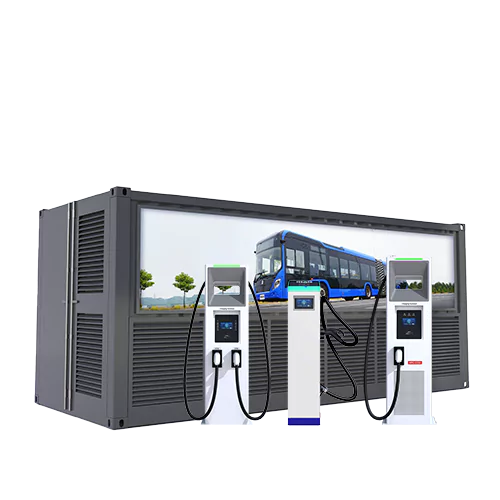
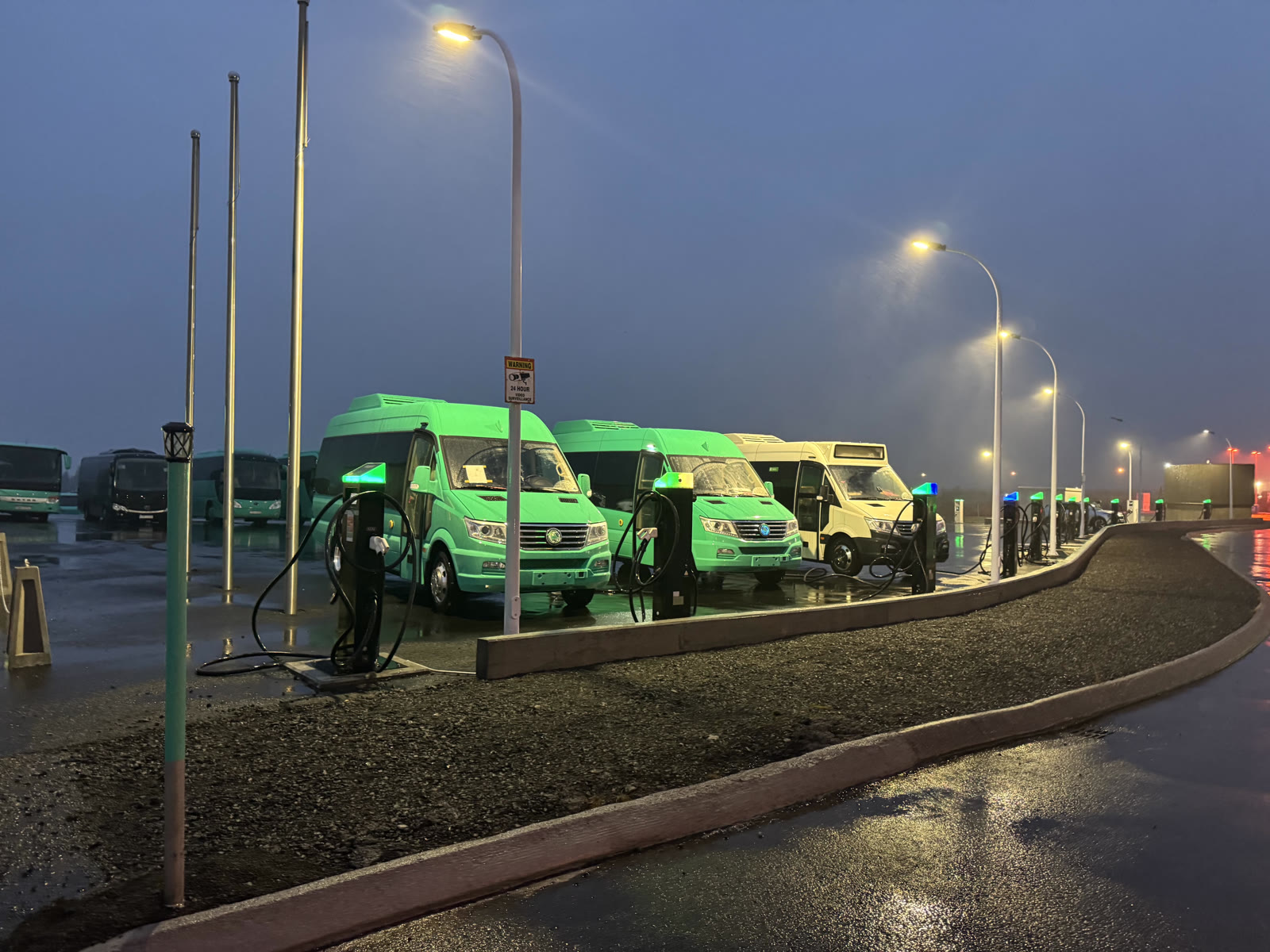
Two building blocks: power units and terminals.
A DC charging system is configured from two separate parts. Power units generate and distribute the energy and come in two frame sizes: 360 kW and 540 kW. Charging terminals are the points where vehicles connect, chosen by connector type (CCS2, CCS High Speed / MCS or GB/T) and number of guns. You size the power units to the total capacity you need, then add the terminals to match your parking layout and vehicle mix.
-
Power units
The energy source, available in 360 kW and 540 kW frames. Units can be combined to reach the total depot power you need, from a few hundred kilowatts up to megawatt scale.
-
Charging terminals
The points where vehicles plug in. Choose the connector (CCS2, CCS High Speed / MCS or GB/T) and the number of guns to suit your fleet. Terminals are specified separately from the power units.
-
Parallel connection
Under certain conditions power units can be connected in parallel, but this only benefits liquid-cooled or MCS terminals; in other cases it reduces reliability. The number of terminals does not scale linearly, because some connections are used by the parallel link itself.
From 360 kW to 2.16 MW.
Ready-configured Matrix systems, from a single power unit to a megawatt-scale container.
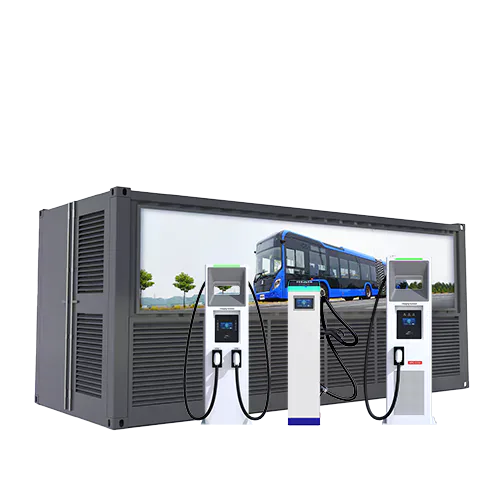
2160/36 · Containerised
The YES-EU 2160/36 Containerized DC Charging System is our most powerful depot solution. Delivering up to 2.16 Megawatts of energy, this centralized hub powers up to 48 heavy electric buses or commercial trucks at once, effectively eliminating depot gridlock and minimizing turnaround times. Megawatt-Scale Generation: Delivers 1,080 to 2,160 kW of total charging power, providing the definitive infrastructure backbone for the most demanding European transport and commercial depots. Simultaneous Charging: Intelligently distributes dynamic energy across up to 48 individual charging points to handle big fleets at scale. Universal & Ultra-Fast Terminals: Supports highly flexible terminal configurations, including optional CCS2, CCS High Speed, and GB/T connectors, alongside a broad 200-1000 VDC output for all modern high-voltage architectures. Climate Resilience: Housed in a heavy-duty 6,000 kg container with an IP54 rating, engineered to operate flawlessly outdoors in the harshest European winter conditions from -30°C to +50°C.
Explore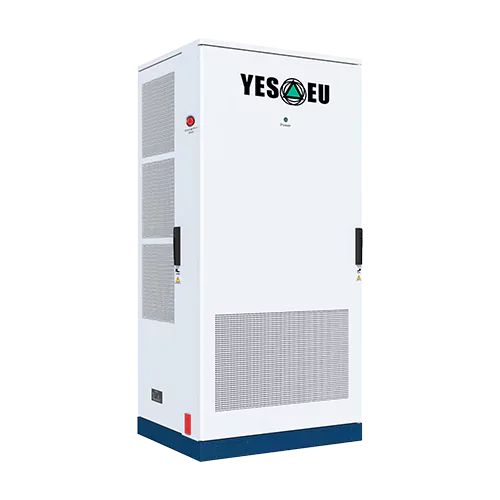
Matrix 360/6
The YES-EU Matrix 360/6 is a highly flexible DC charging system expertly engineered to serve multiple parking bays efficiently. Acting as a smart power hub, it distributes massive energy capacity, ensuring your growing fleet is charged rapidly without overburdening your facility's local grid connection. Scalable Energy Generation: Starts with a highly robust 360 kW power unit, with the capacity to link up to three supply units to deliver 1,080 kW of total depot power as your fleet expands. Dynamic Multi-Point Routing: Intelligently routes energy across two to six simultaneous charging points, fully supporting ultra-fast 300 kW CCS High Speed terminals for rapid turnaround times. Future-Proof 800V Capability: Provides a broad 150-1000 VDC output range, ensuring safe, seamless charging for standard EVs as well as next-generation 800 V high-capacity systems. Extreme European Resilience: Housed in an IP54-rated heavy-duty enclosure, this system operates flawlessly indoors and outdoors through tough climates ranging from -20°C to +50°C.
Explore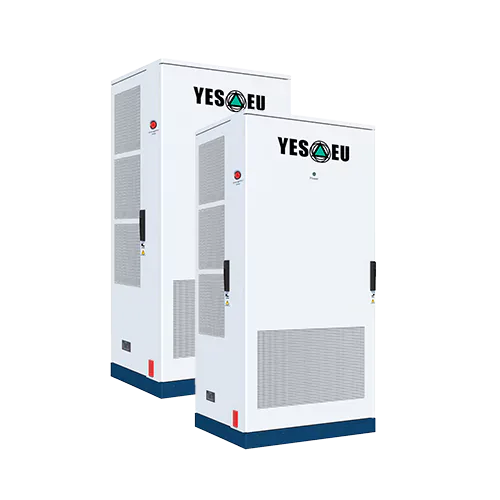
Matrix 720/12
The YES-EU Matrix 720/12 is a highly flexible, high-capacity DC charging system engineered to efficiently serve mid-to-large-sized depots. By utilizing two massive 360/6 power supply units, it dynamically distributes energy across up to 12 charging points, ensuring growing European fleets are charged rapidly without overburdening local grid connections. High-Capacity Power Generation: 720 kW of total power via two linked 360/6 power supply units, with the unique flexibility to scale up to 1,080 kW by adding a third unit as your fleet expands. Dynamic Multi-Point Routing: Distributes energy across 4 to 12 simultaneous charging terminals, fully supporting ultra-fast 300 kW CCS High Speed points for rapid vehicle turnarounds. Future-Proof 800V Capability: Provides a broad 150-1000 VDC output range, ensuring safe, seamless charging for standard EVs as well as next-generation 800 V high-capacity systems. Extreme European Resilience: Housed in an IP54-rated heavy-duty enclosure, this system operates flawlessly indoors and outdoors through tough climates ranging from -20°C to +50°C.
Explore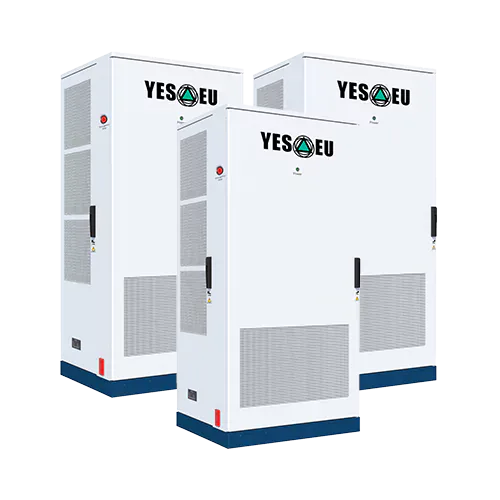
Matrix 1080/18
As major European logistics centers and public transport authorities scale their electric fleets, managing immense energy demand becomes a critical challenge. The YES-EU Matrix 1080/18 is the ultimate high-capacity DC charging system designed to meet this challenge head-on. Made for continuous, round-the-clock charging at full power, this centralized hub utilizes smart dynamic capacity distribution to manage up to 18 vehicles simultaneously, ensuring maximal fleet uptime. Energy Generation: 1,080 kW of total charging power. Dynamic Routing: Features advanced dynamic capacity distribution that balances and directs power across 6 to 18 simultaneous charging points based on real-time vehicle demands. Ultra-Fast & Future-Proof: Fully supports ultra-fast 300 kW CCS High Speed charging points and next-generation 800 V (150-1000 VDC) heavy-duty EV architectures. Extreme Resilience: Housed in heavy-duty, IP54-rated enclosures, the power units operate indoors and outdoors through tough climates ranging from -20°C to +50°C.
Explore
Plan your charging network.
Tell us the site, the fleet and the power you need, and a YES-EU specialist will get back to you.
Contact us